

Jewellery today is purchased with more awareness than ever before. Buyers want to understand materials, longevity, maintenance and value before making a decision. This makes the comparison between silver alloy vs silver jewellery especially relevant for anyone investing in traditional or everyday Indian jewellery.
While both categories are widely used across handcrafted designs, their composition and performance differ in meaningful ways. Knowing these differences allows customers to choose jewellery that fits their lifestyle, budget and usage expectations.
What Is Silver Jewellery?
Silver jewellery generally refers to pieces crafted using high-purity silver, most commonly 92.5 sterling silver. Pure silver is naturally soft, which is why a small percentage of strengthening metals is added to improve durability without compromising quality.
Sterling silver jewellery is valued for its strength, repairability and long-term wear. It is commonly chosen for fine jewellery, heirloom pieces and designs intended for frequent or multi-generational use. Over time, sterling silver may tarnish, but it can be polished and restored without loss of integrity.
Understanding Silver Alloy Jewellery
Silver alloy jewellery is made using a blend of base metals such as copper, brass or zinc. These alloys are often enhanced with surface finishes like oxidisation or 24k gold plating to achieve a traditional appearance.
In the discussion of silver alloy vs silver jewellery, alloy-based pieces focus on design impact and affordability rather than intrinsic silver content. They are widely used in statement jewellery, festive accessories, and cultural styles where visual presence is more important than material purity.
Composition Differences That Matter
The internal makeup of jewellery directly influences how it feels, wears and ages. Sterling silver retains structural strength and allows intricate detailing, while silver alloy jewellery prioritises flexibility in design and cost.
To make this comparison clearer, here is a detailed breakdown:
Silver Alloy vs Silver Jewellery: Comparison Table
|
Feature |
Silver Jewellery (92.5 Sterling Silver) |
Silver Alloy Jewellery |
|
Silver Content |
High (92.5% silver) |
Minimal or surface-level |
|
Durability |
Strong and long-lasting |
Moderate, depends on coating |
|
Repair and Resizing |
Easily repairable |
Limited repair options |
|
Tarnishing |
Natural tarnish, easily polished |
Coating may fade over time |
|
Weight & Feel |
Heavier, solid feel |
Lighter and flexible |
|
Cost |
Higher upfront investment |
More affordable |
|
Best For |
Heirloom, daily wear, fine jewellery |
Festive, statement, occasional wear |
This table highlights why understanding silver alloy vs silver jewellery is essential before purchasing.
Craftsmanship and Design Possibilities
Sterling silver supports detailed hand engraving, stone settings and fine structural work. Artisans prefer it for pieces where precision and durability are required.
Silver alloy jewellery, on the other hand, allows for larger silhouettes and bold forms. Since base metals are easier to mould, they are often used for bangles, anklets and traditional designs that rely on volume and visual impact rather than minute detailing.
Both materials have a place, depending on how the jewellery is intended to be worn.
Wearability and Care Considerations
Sterling silver jewellery is suitable for repeated wear. With basic care, it maintains its appearance and can be restored even after years of use.
Silver alloy jewellery should be worn with more caution. Exposure to moisture, friction or perfumes may cause the coating to wear over time. Once the surface finish fades, the jewellery may lose its original appearance.
This is another important factor when evaluating silver alloy vs silver jewellery for long-term use.
Price vs Long-Term Value
Silver alloy jewellery is appealing due to its lower price point, making it ideal for trend-based purchases and festive styling. However, it does not retain intrinsic material value.
Sterling silver jewellery costs more initially but offers long-term worth. It can be refurbished, reused, or passed down, making it a stronger investment for buyers seeking durability and lasting relevance.
Featured Product Highlights
Heritage Panjab offers silver alloy designs that respect both material choice and traditional aesthetics.
-
Ansari Gokhdu Bangles Pair
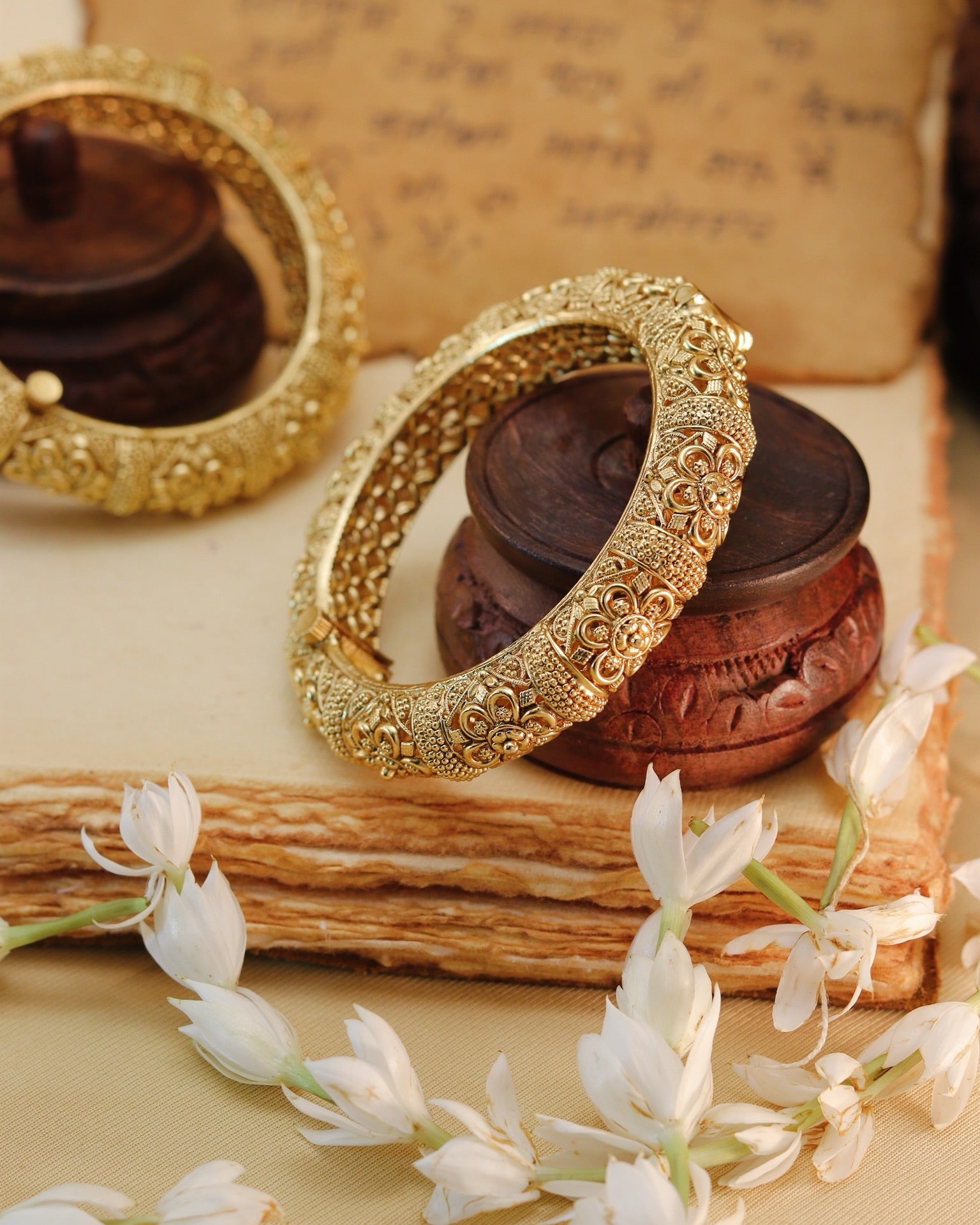
Crafted in silver alloy with 24k gold coating, these bangles deliver bold traditional presence while remaining lightweight and accessible. -
Oxidised Silver Payal Pair
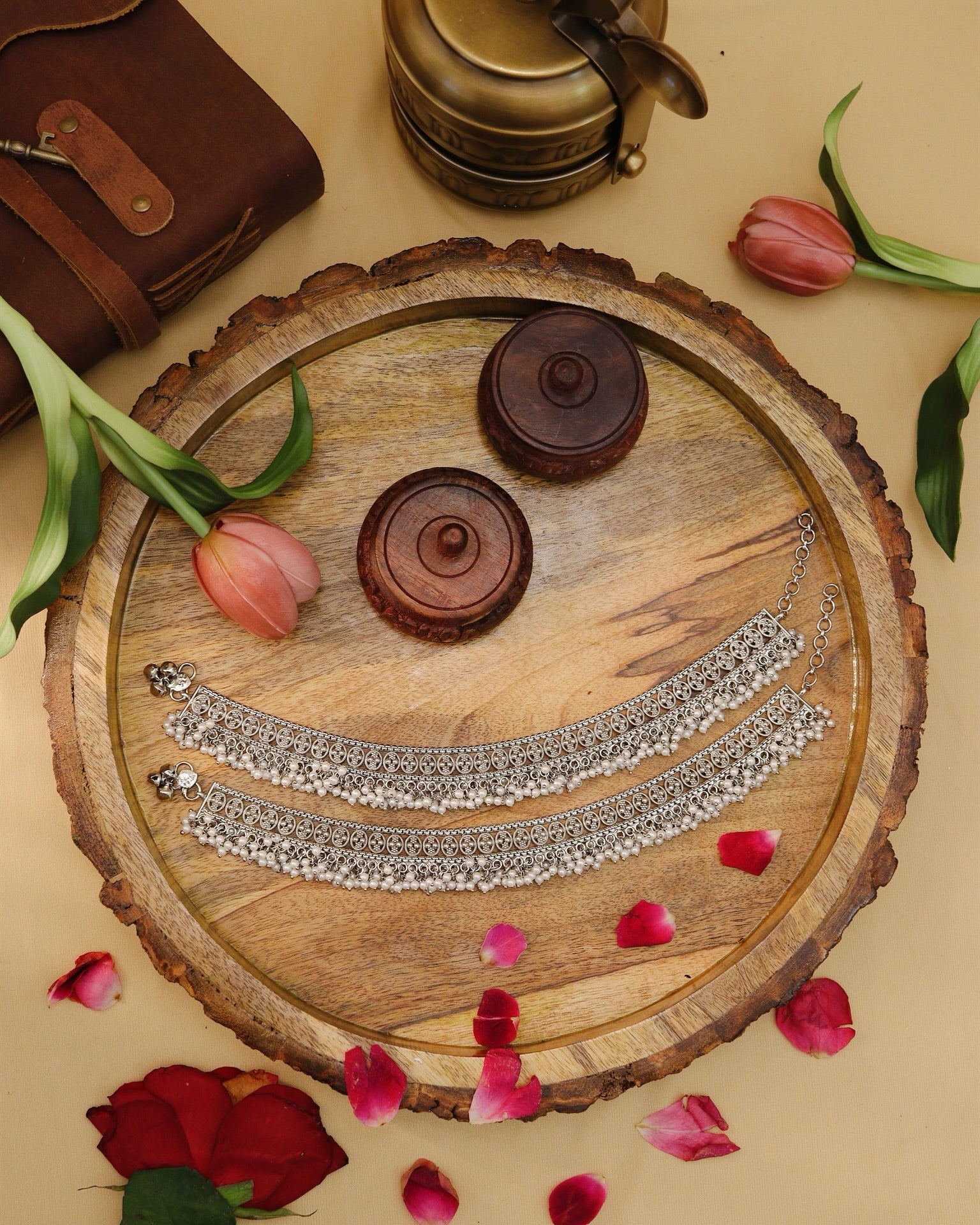
Handcrafted in silver alloy, this design reflects classic oxidised finishes suited for cultural wear and everyday ethnic styling. -
Raunaq Antique Bangles
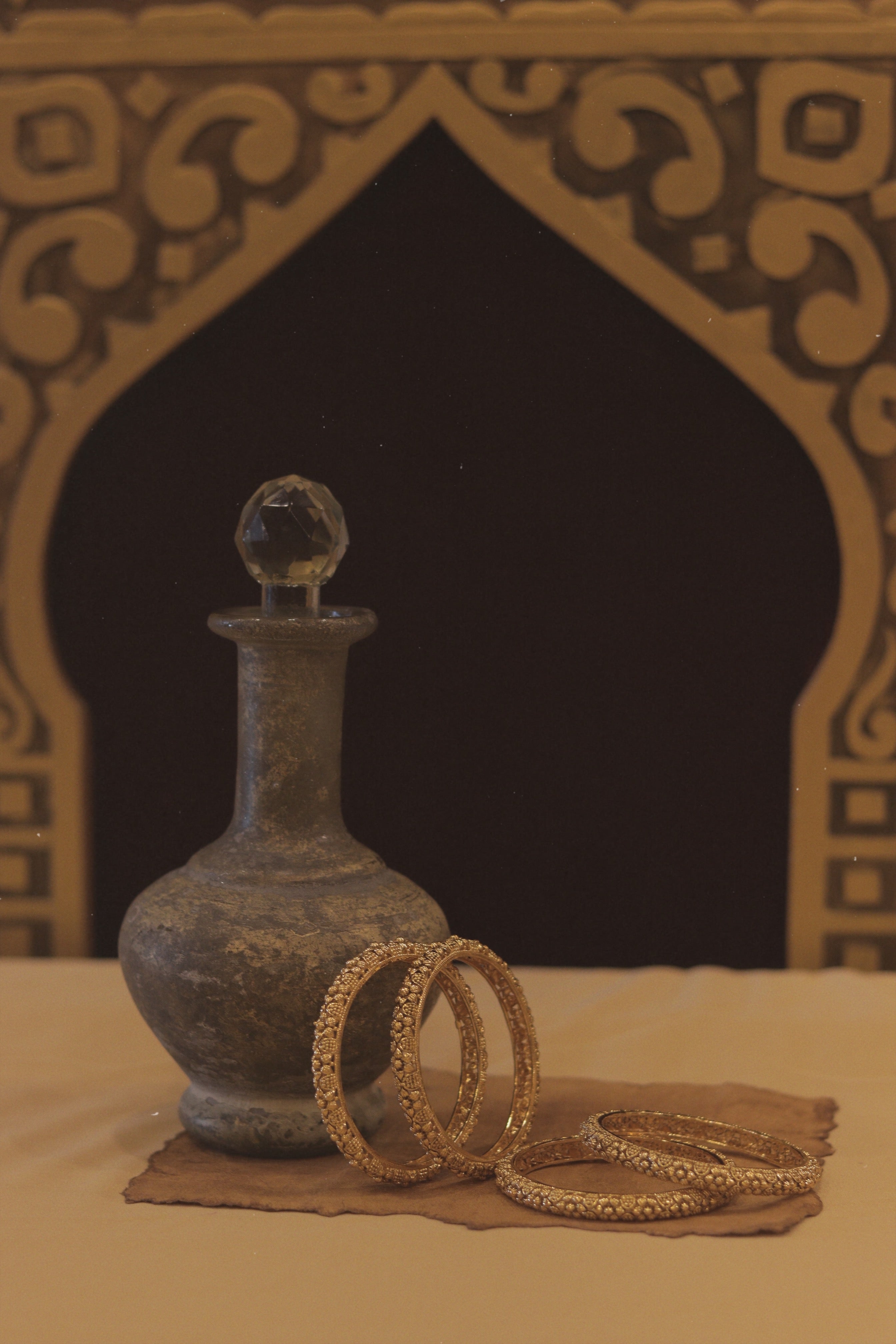
Made in silver alloy and coated with 24k gold, these bangles echo antique inspirations ideal for festive and ceremonial occasions. -
Mona Jhumki Earrings
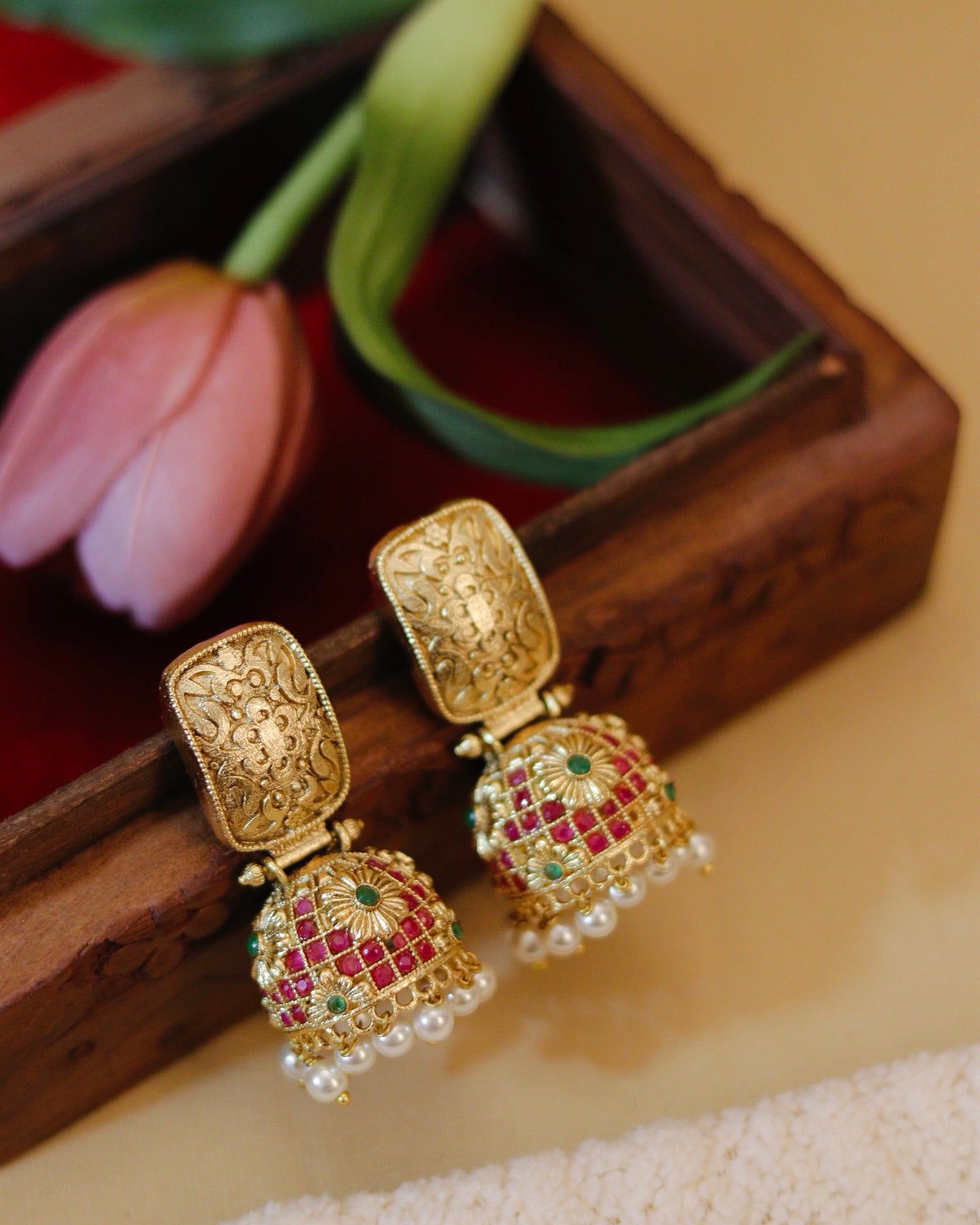
Handcrafted in silver alloy with 24k gold coating, these jhumkis offer traditional form with comfortable wearability.
Each piece is designed with a clear purpose, balancing aesthetics, comfort and material suitability.
How to Choose the Right Option
When deciding between silver alloy and silver jewellery, consider:
-
Frequency of wear
-
Importance of long-term durability
-
Budget and value expectations
-
Cultural or functional purpose
Understanding silver alloy vs silver jewellery helps buyers align their purchase with real-world use rather than appearance alone.
Conclusion
Both silver alloy and silver jewellery serve distinct roles in Indian jewellery traditions. One offers affordability and visual impact, while the other provides durability and enduring value. Making an informed choice ensures satisfaction beyond the first wear and for timeless, thoughtfully crafted traditional jewellery, Heritage Panjab continues to be a trusted name.
FAQs
1. What is the main difference between silver alloy and silver jewellery?
Silver jewellery contains high-purity silver like 92.5 sterling silver, while silver alloy jewellery is made from mixed base metals with silver or gold finishes.
2. Is silver alloy jewellery considered real silver?
Silver alloy jewellery may contain minimal silver or coatings, but it is not solid silver and does not hold the same intrinsic value.
3. Which lasts longer, silver alloy or silver jewellery?
Sterling silver jewellery generally lasts longer because it can be cleaned, repaired and restored, unlike silver alloy jewellery where finishes may fade.
4. Why is silver alloy jewellery more affordable?
Silver alloy jewellery uses base metals instead of high-purity silver, reducing material costs and making it suitable for festive and statement designs.
5. Which is better for traditional Indian jewellery styles?
Both are suitable sterling silver for heirloom and daily wear pieces and silver alloy for bold, ceremonial designs worn occasionally.
