

When buying silver jewellery, most people focus on design, weight, or price - but the most important factor often goes unnoticed: silver purity. Understanding how silver purity works, how pricing is calculated and why making charges vary can help you make informed decisions and avoid common buying mistakes.
This silver jewellery purity guide breaks down everything you need to know, from hallmarking and alloys to pricing structures and craftsmanship costs. Whether you’re buying silver for daily wear, festive occasions, or heirloom value, knowing the basics ensures your purchase is worth every rupee.
What Is Silver Purity?

Silver purity refers to the percentage of pure silver present in a jewellery piece. Since pure silver is naturally soft and malleable, it is rarely used alone for jewellery. Instead, it is mixed with other metals to improve strength and durability.
Purity is expressed in parts per thousand. For example, silver marked as 925 means it contains 92.5% pure silver, with the remaining 7.5% made up of strengthening metals like copper.
Understanding silver purity helps buyers assess:
-
Longevity of the jewellery
-
Value for money
-
Suitability for daily or occasional wear
-
Resale or exchange worth
Why 92.5 Sterling Silver Is the Gold Standard for Fine Jewellery

92.5 silver, also known as sterling silver, contains 92.5% pure silver and 7.5% other metals (usually copper). This mix makes it:
-
Stronger and more durable than pure silver
-
Ideal for jewellery meant for regular or festive wear
-
Resistant to bending and damage
-
Long-lasting with proper care
Pure silver (99.9%) is too soft for most jewellery, which is why 92.5 silver is the global standard for high-quality silver jewellery.
If you’re buying silver jewellery, 92.5 silver offers the best balance of purity, strength, and value. Heritage Panjab uses certified 92.5 sterling silver, ensuring authenticity, craftsmanship, and timeless quality in every piece.
Common Types of Silver Purity Explained
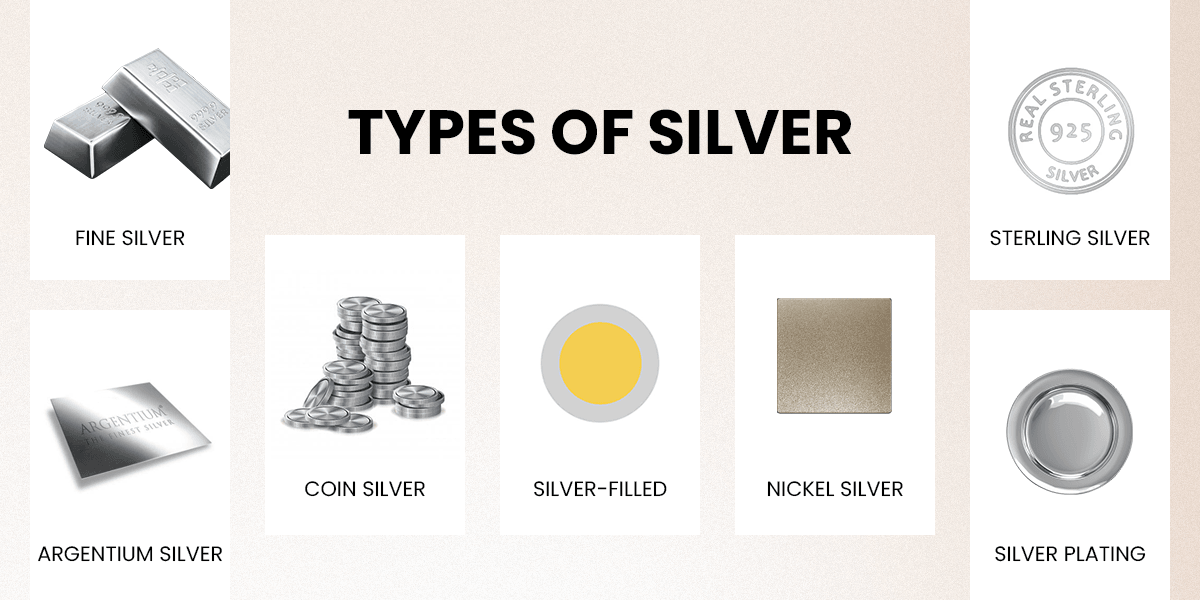
999 Silver (Pure Silver)
-
Contains 99.9% silver
-
Very soft and flexible
-
Ideal for coins, bars, and investment pieces
-
Not recommended for regular jewellery use
92.5 Silver (Sterling Silver)
-
Contains 92.5% pure silver
-
Most commonly used in jewellery
-
Durable, wearable, and long-lasting
-
Suitable for detailed designs and daily wear
800–900 Silver
-
Contains lower silver content
-
Used in traditional or antique jewellery
-
More rigid but less lustrous
-
Lower resale value compared to sterling silver
For most buyers, 92.5 sterling silver offers the perfect balance between purity, strength, and wearability.
Hallmarking: How to Verify Silver Purity
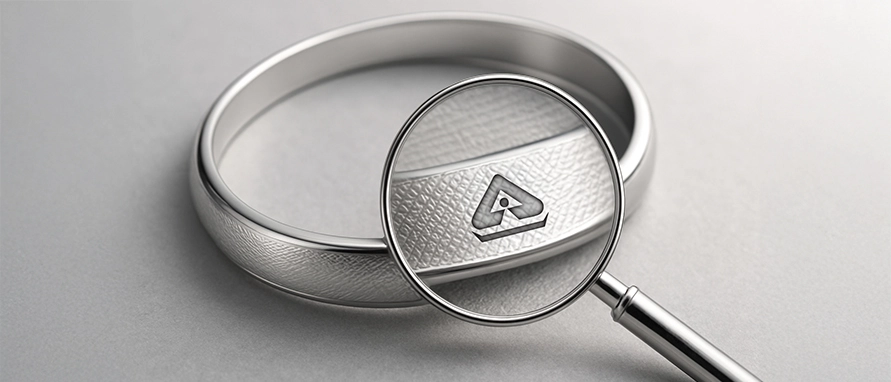
Hallmarking is your assurance that the silver purity stated is genuine. In India, silver jewellery is certified by authorised hallmarking centres.
A standard silver hallmark includes:
-
Purity mark (92.5, 999, etc.)
-
BIS logo (if applicable)
-
Jeweller’s identification mark
Always check for hallmarking, especially when buying heavier pieces or bridal silver jewellery. It protects you from under-purity alloys and incorrect pricing.
How Silver Jewellery Pricing Works
Silver jewellery pricing is not based on weight alone. Several components come together to determine the final price.
1. Silver Weight
The base price is calculated using the current silver rate per gram multiplied by the net weight of silver used.
2. Silver Purity
Higher purity silver costs more. A 999 silver piece will be priced higher per gram than 92.5 silver.
3. Making Charges
Making charges cover the craftsmanship involved in shaping, detailing, polishing, and finishing the jewellery.
These charges vary depending on:
-
Complexity of design
-
Handcrafted vs machine-made work
-
Time and skill required
-
Finishing techniques
4. Additional Elements
-
Gold plating
-
Stone setting
-
Pearl or enamel work
Each of these adds to the overall cost.
Understanding Silver Jewellery Making Charges
Making charges are often misunderstood. They are not arbitrary - they reflect the skill and effort invested in creating the piece.
Handcrafted silver jewellery usually carries higher making charges because:
-
Each piece is individually worked on
-
Traditional techniques take longer
-
Artisans bring generational expertise
Machine-made jewellery, while more affordable, lacks the detailing and character of handcrafted designs.
When buying silver jewellery, always ask for a clear breakup of:
-
Silver weight
-
Purity
-
Making charges
-
Taxes
Transparency ensures trust and better value.
Why Silver Jewellery Is an Investment in Craft
Beyond purity and pricing, silver jewellery holds cultural and artistic value. In India, silver is deeply tied to tradition - worn during festivals, weddings, and rituals.
Many traditional designs use silver not just for beauty but for symbolism:
-
Prosperity
-
Protection
-
Heritage
-
Blessings
This is why handcrafted silver jewellery often becomes heirloom-worthy, passed down through generations.
Our Silver Jewellery Pieces Rooted in Tradition
How to Choose the Right Silver Jewellery
Before purchasing, consider these practical tips:
-
Choose 92.5 silver for jewellery meant for regular or festive wear
-
Look for hallmark certification
-
Understand making charges before finalising
-
Prioritise craftsmanship over excessive weight
-
Buy from trusted heritage-driven jewellers
Silver jewellery should feel meaningful, wearable, and enduring - not just decorative.
Why Silver Jewellery Holds Timeless Appeal
Silver continues to remain relevant because it adapts across generations. From minimal modern designs to traditional statement pieces, silver evolves without losing its cultural grounding.
Its versatility makes it suitable for:
-
Everyday wear
-
Festive occasions
-
Bridal jewellery
-
Gifting and rituals
With proper care, silver jewellery ages gracefully, gaining character over time.
Conclusion
Understanding silver purity, pricing structures, and jewellery making charges empowers buyers to make confident, informed choices. When craftsmanship meets authentic materials, silver jewellery becomes more than an accessory - it becomes a legacy.
For those seeking jewellery rooted in tradition, authenticity, and skilled craftsmanship, Heritage Panjab offers silver pieces that honour purity, culture, and timeless design.
FAQs
1. What is the best silver purity for jewellery?
92.5 sterling silver is considered best for jewellery as it balances purity with strength, durability, and wearability, making it suitable for everyday and festive use.
2. How can I check if silver jewellery is real?
Check for a hallmark stamp like 92.5 or 999, jeweller identification marks, and buy from trusted sellers who provide certification and transparent pricing details.
3. Why are making charges high on silver jewellery?
Making charges reflect craftsmanship, time, skill, detailing, and finishing work, especially for handcrafted or traditional silver jewellery pieces.
4. Is silver jewellery a good investment?
Silver jewellery holds both material and cultural value. While prices fluctuate, high-purity silver with craftsmanship retains long-term worth and sentimental significance.
5. Does silver jewellery have resale value?
Yes, silver jewellery has resale value based on purity and weight, though making charges are usually not recoverable during resale or exchange.
