

Lohri is one of those festivals that instantly warms the heart - quite literally. Every Punjabi household knows the feeling: the crackle of the bonfire, the smell of roasted peanuts, the sound of dhol beats, children running around asking "lohri deyo!", and families gathering outdoors despite the winter chill. Lohri isn’t just a date on the calendar; it’s a celebration layered with history, community, and cultural pride.
Before we explore jewellery trends or festive styling, it’s important to understand why Lohri holds such a special place in Punjabi culture. To many, Lohri is about dancing and feasting, but it is equally a festival of gratitude, harvest, and new beginnings.
When Is Lohri Celebrated?
Lohri festival is celebrated every year on 13 January, marking the end of the winter solstice. In 2026, Lohri fall on Tuesday, 13 January 2025.
Why Is Lohri Celebrated on 13 January?
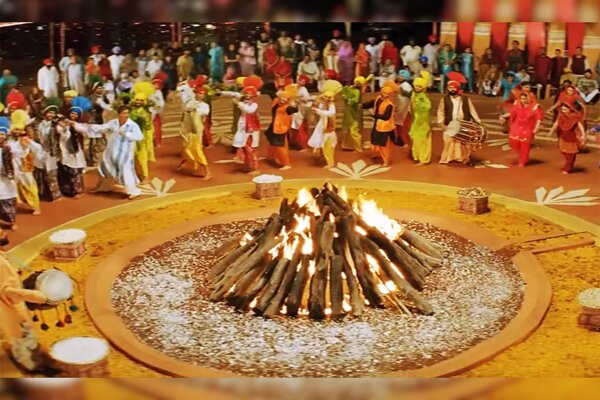
Lohri is celebrated on 13 January because it coincides with the eve of Makar Sankranti, when the sun begins its northward journey and days start becoming longer. This period, known as Maghi, holds agricultural and seasonal importance in Punjab. Traditionally, Lohri marks the harvest of rabi crops, especially sugarcane, wheat, and mustard.
For farming communities, it represents gratitude for a successful yield and hope for prosperity in the coming season. The bonfire, the festival’s central ritual, symbolizes warmth, protection, and the transition from the harsh winter to gentler, brighter days ahead.
Why Is Lohri Festival Generally Celebrated?
Traditionally, Lohri celebrates:
-
The harvest season, especially sugarcane
-
The end of winter and the beginning of longer days
-
Community bonding, where neighbors, friends, and families gather
-
New beginnings, especially for newly married couples and newborns
-
Gratitude for the year’s blessings
In Punjabi homes, Lohri is often considered the first major celebration of the year. It’s marked with food, music, dance, and rituals that have been passed down for generations.
How Lohri Is Celebrated

If you’ve grown up in a Punjabi household, you know the rhythm of Lohri celebrations. The preparations begin early: cleaning the home, arranging sweets, laying out the phulkari dupattas, and keeping peanuts and rewri ready for the night.
Here’s what a typical Lohri celebration looks like:
1. The Bonfire
The central element of Lohri is the bonfire, symbolizing warmth, light, and community. Families gather around it, offer rewri, gachak, popcorn, and sesame seeds to the fire, and pray for prosperity.
2. Singing Lohri Folk Songs
From “Sundar mundriye ho” to classic Punjabi folk rhythms, singing around the bonfire is an unmissable tradition.
3. Gidda and Bhangra
Dance is essential. Women perform gidda, men break into bhangra, and children join in with endless energy.
4. Feasting
A typical Lohri plate includes:
-
Makki di roti
-
Sarson da saag
-
Gur (jaggery)
-
Til and rewri
-
Groundnuts
-
Gachak
It’s wholesome, festive, and rooted in winter produce.
5. Blessings for New Beginnings
Lohri for newlyweds or newborns is bigger, brighter, and more elaborate. Families gift sweets, jewellery, clothing, and blessings for a prosperous year ahead.
What to Wear on Lohri Festival
Lohri is usually celebrated outdoors, so the clothing is festive but winter-friendly:
-
Phulkari shawls
-
Velvet suits
-
Bright salwar kameez sets
-
Layered ethnic outfits
-
Wool shawls with zari or threadwork
And naturally, jewellery completes the festive look. This is where choosing the right pieces becomes important - not only to look dressed up, but to feel culturally rooted.
Why Jewellery Matters During Lohri
Jewellery for Lohri is not just about appearance. It plays an emotional and traditional role.
Why people pay special attention to Lohri jewellery:
-
It enhances winter outfits like phulkaris and velvet suits.
-
It looks beautiful against the warm glow of the bonfire.
-
It reflects Punjabi heritage - especially traditional gold pieces.
-
It adds meaning to rituals and folk performances.
-
It becomes part of family memories captured in photographs.
This is why people gravitate toward heritage-driven jewellery, especially designs rooted in Punjabi craftsmanship.
The Most Loved Jewellery Styles for Lohri This Year

Below are the standout jewellery pieces for Lohri - rich, warm, traditional, and deeply connected to Punjabi culture.
5. Ranjhna Openable Bangles Pair
Conclusion: Celebrating Lohri with Heritage Panjab
Lohri is more than a festival - it’s a reminder of where we come from. The warmth of the bonfire, the sound of folk songs, and the togetherness of family all point to one thing: heritage.
Wearing jewellery for Lohri festival becomes an extension of that feeling. With Heritage Panjab authentic, tradition-rich pieces, you don’t just accessorize - you honour craftsmanship, culture, and the stories that shaped Punjabi identity. Each piece mirrors the values Lohri celebrates: warmth, connection, legacy, and pride.
FAQs
When is Lohri celebrated in 2026?
Lohri in 2026 will be celebrated on 13 January. The date marks the end of winter’s peak and the beginning of longer, warmer days across North India, especially Punjab.
What should you wear for Lohri festival?
People usually wear warm ethnic outfits like phulkari shawls, velvet suits, woollen salwar kameez, and bright winter colours. Traditional gold jewellery enhances the festive look and photographs beautifully by the bonfire.
How is Lohri celebrated?
Lohri is celebrated with a bonfire, singing folk songs, performing gidda or bhangra, tossing rewri and peanuts into the fire, sharing festive meals, and blessing newlyweds or newborns in the family.
Why do people light a bonfire on Lohri?
The bonfire symbolizes warmth, protection, and gratitude. It represents the end of harsh winter, a prayer for prosperity, and a space for community storytelling, music, rituals, and togetherness.
Is Lohri only celebrated in Punjab?
While Lohri is most prominent in Punjab, it’s celebrated across Haryana, Delhi, Himachal, Jammu, and by Punjabi communities worldwide. Its charm lies in cultural warmth rather than regional boundaries.
